Residential Roof Underlayment and Why It Matters
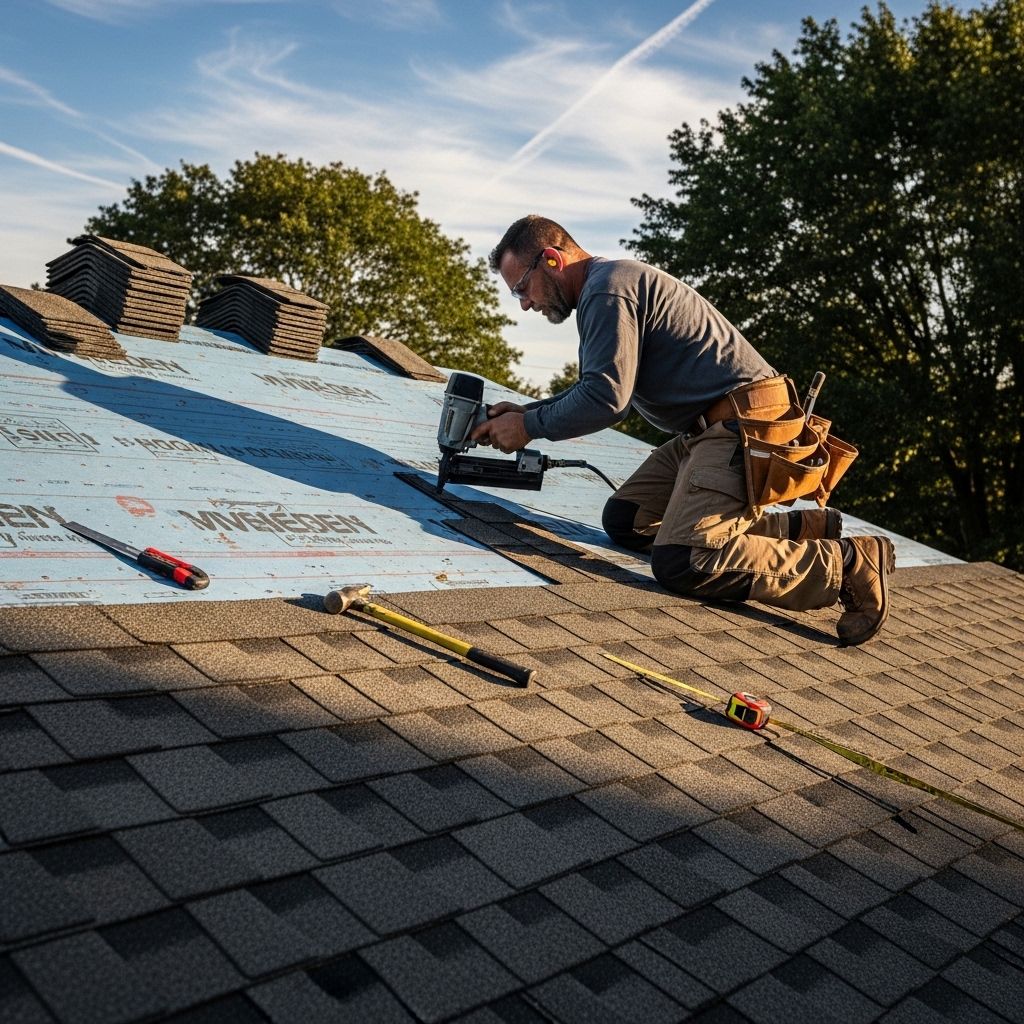
Table of Contents
Protecting your home from the elements is a top priority, and while your roof’s shingles often steal the spotlight, there’s a silent guardian working tirelessly beneath: the underlayment. As a crucial component of your roofing system, the underlayment provides an extra layer of defense against water damage and other environmental factors. Let’s explore why residential roof underlayment matters, brought to you by Chase Roof Inspections, a trusted roofing company in Memphis since 2010.
What is Roof Underlayment?
Roof underlayment is a water-resistant or waterproof barrier installed directly onto your roof deck, underneath the shingles or other roofing materials. It serves as a protective layer, preventing water infiltration and safeguarding the structure of your home. There are several types of underlayment available, each with its own set of characteristics and benefits.
Types of Roof Underlayment
- Felt Underlayment: Traditional felt underlayment has been a popular choice for many years. It is typically made from either organic or synthetic materials and offers a basic level of protection. However, felt underlayment can be susceptible to tearing and may not provide the same level of water resistance as other options.
- Synthetic Underlayment: Synthetic underlayment is a more advanced option made from materials like polypropylene or polyethylene. It is significantly more durable than felt, offering enhanced tear resistance and water protection. Synthetic underlayment is also lighter, making it easier to install and less prone to wrinkling or buckling.
- Self-Adhered Underlayment: Self-adhered underlayment is a premium option that provides the highest level of protection. It features an adhesive backing that creates a watertight seal with the roof deck, preventing water from penetrating even in the most vulnerable areas. Self-adhered underlayment is ideal for roofs with low slopes, complex designs, or in regions prone to severe weather.
Why Underlayment Matters
- Water Protection: The primary function of roof underlayment is to prevent water from seeping into your home. It acts as a barrier against rain, snow, and ice, protecting the roof deck and underlying structure from water damage, rot, and mold growth.
- Secondary Defense: Underlayment provides a secondary layer of protection in case your shingles are damaged or blown off during a storm. It helps to keep your home dry until roof repairs can be made, minimizing the risk of costly interior damage.
- Building Code Compliance: In many areas, including Memphis, Germantown, Collierville, Bartlett, Olive Branch, Southaven, and Marion, building codes require the installation of roof underlayment. Compliance with these codes ensures that your roofing system meets minimum safety and performance standards.
- Extending Roof Life: By protecting your roof deck from moisture and other environmental factors, underlayment helps to extend the lifespan of your entire roofing system. It prevents premature deterioration and reduces the need for frequent roof repairs or roof replacements.
Professional Installation Recommended
While it may be tempting to install roof underlayment yourself, professional installation is highly recommended. A qualified roofing contractor, like Chase Roof Inspections, has the knowledge, skills, and experience to ensure that the underlayment is properly installed and sealed, maximizing its effectiveness. Proper installation also helps maintain warranty coverage on your roofing system.
Residential roof underlayment is a vital component of your roofing system that provides essential protection against water damage and other environmental factors. By investing in quality underlayment and professional installation, you can safeguard your home, extend the life of your roof, and enjoy peace of mind knowing that you’re well-protected. Chase Roof Inspections, your superior roofers in Memphis, TN, offers expert roof inspections, roof repairs, and roof replacements to ensure your home is safe and secure. If you’re in the Mid-South and need to schedule a roof inspection or have questions about your roofing needs, contact us today!