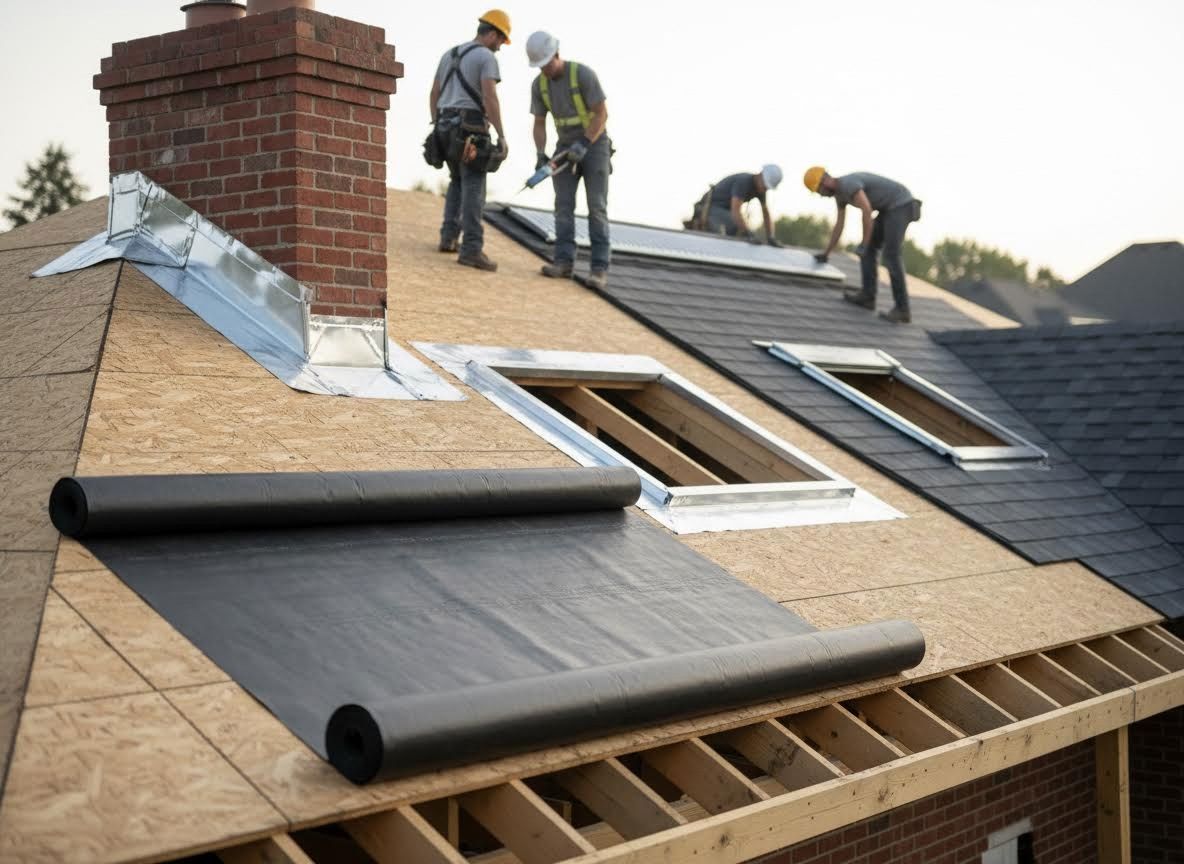
When you look at your home’s roof, your eyes likely focus on the visible shingles, the primary protective layer. However, a truly robust and long-lasting roof system, one that effectively shields your home from the unpredictable weather of the Mid-South, is comprised of many vital components working in harmony, most of which remain out of sight. At Chase Roof Inspections, we understand that true roof integrity goes far beyond what meets the eye, and these hidden elements are just as critical to your home’s safety and energy efficiency.
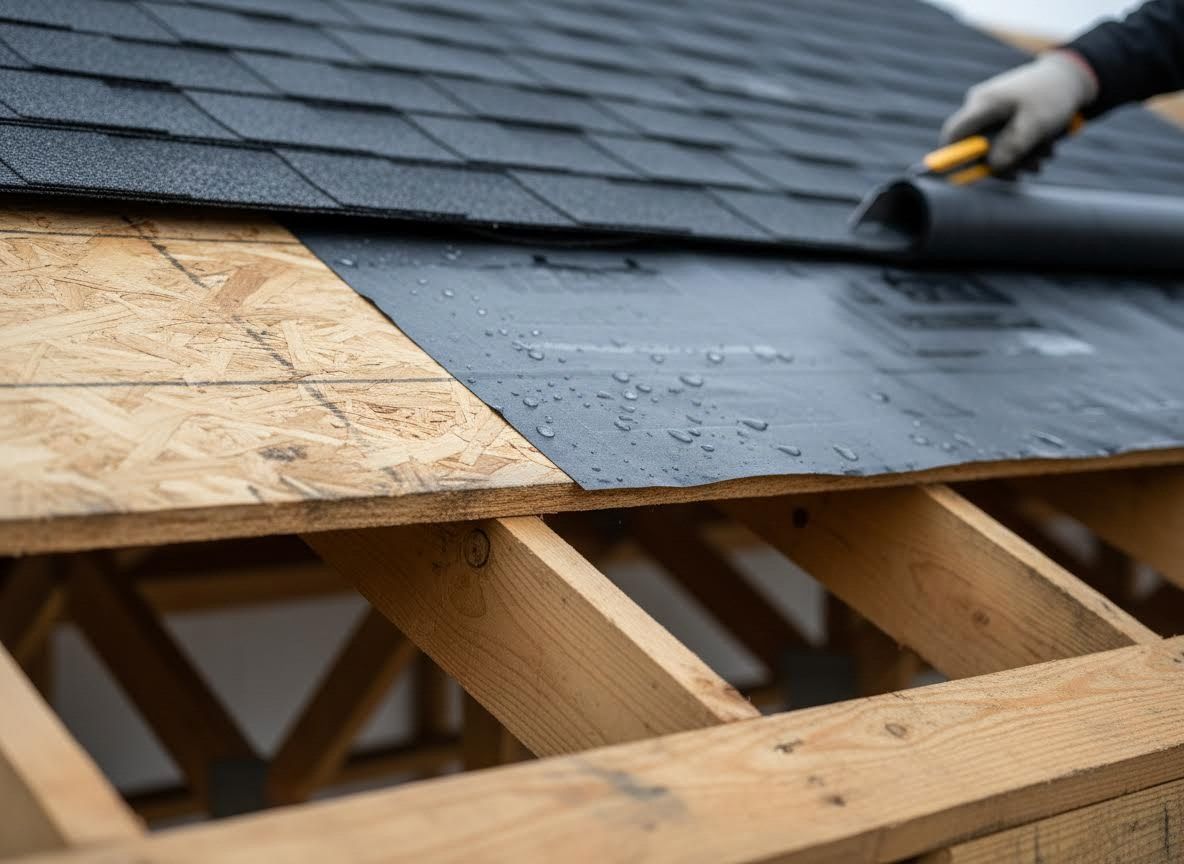
The Unsung Hero: Underlayment
Beneath your shingles lies a crucial layer known as underlayment. This material, typically made from felt or synthetic polymers, serves as a vital secondary barrier against moisture intrusion. While shingles are designed to shed water, extreme weather conditions like heavy rain or wind-driven snow can force water underneath them. The underlayment acts as a last line of defense, preventing this water from reaching your roof deck and causing damage to your home’s interior structure. Its proper installation is paramount to preventing leaks and extending the life of your roof, making it an essential, though unseen, part of any complete roof system.
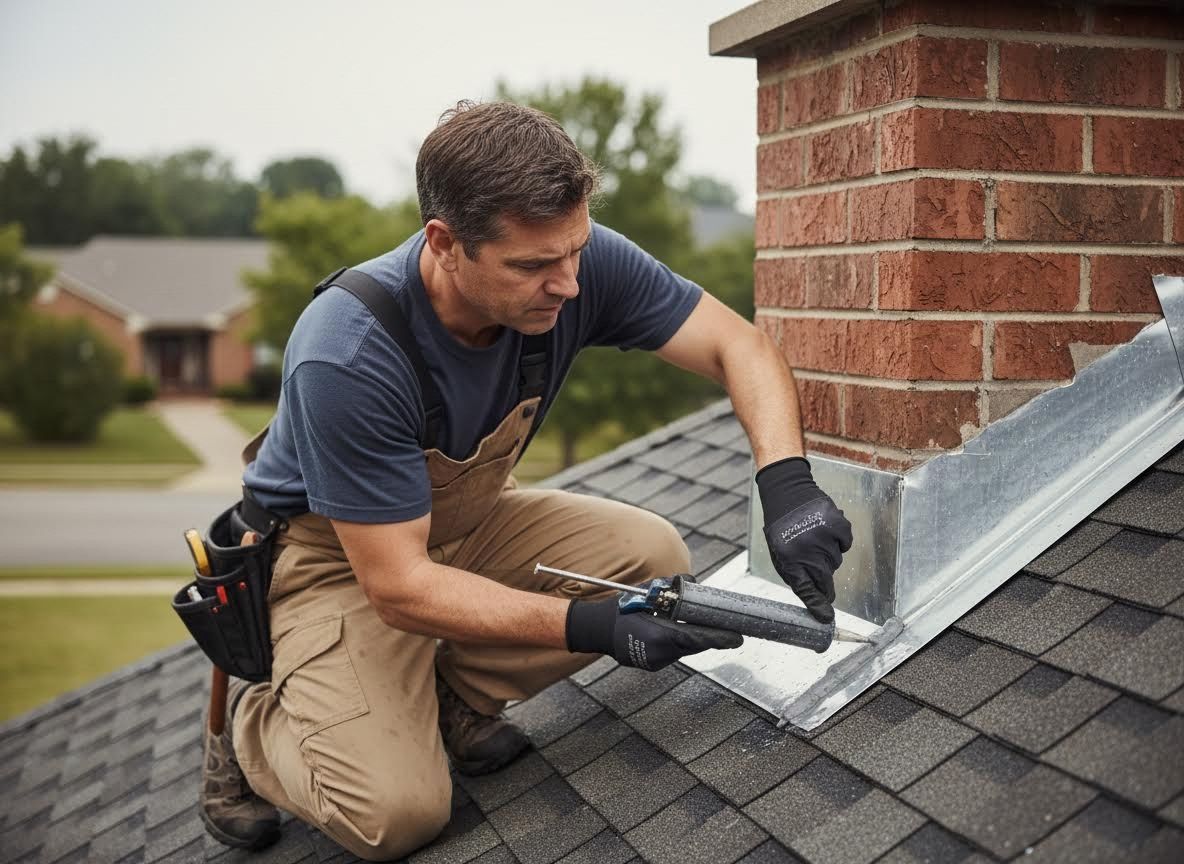
Critical Protectors: Flashing and Sealants
Another set of components vital for preventing leaks in vulnerable areas are flashing and sealants. Flashing consists of thin pieces of metal, usually aluminum or steel, installed at points where the roof meets other structures, such as chimneys, skylights, vents, and walls. These areas are prone to water penetration, and flashing creates a watertight seal, directing water away from these junctions. Without correctly installed flashing and the appropriate sealants, water can easily seep into your home, leading to extensive water damage, mold growth, and the need for costly roof repairs.
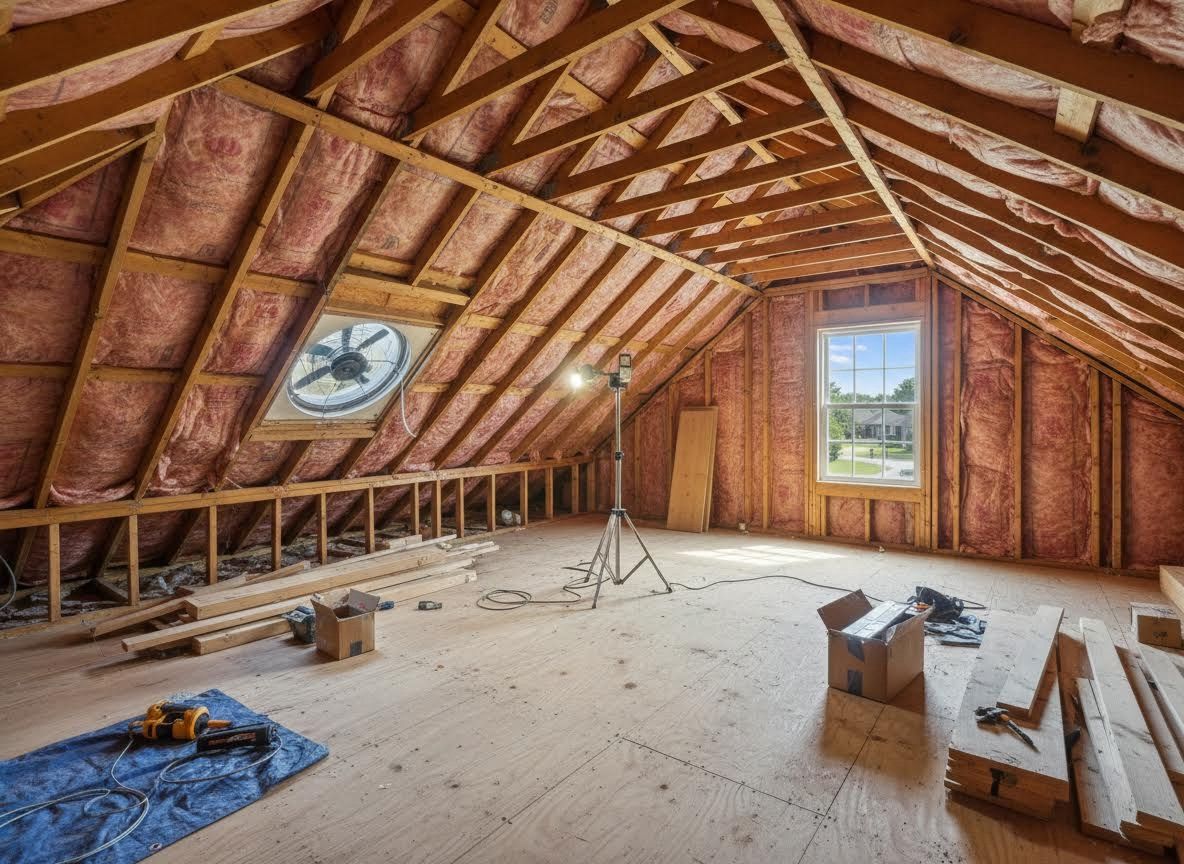
The Breath of Your Home: Attic Ventilation
Effective attic ventilation is perhaps one of the most overlooked, yet critical, hidden components of a healthy roof system. A balanced ventilation system, which typically includes soffit vents for intake and ridge or static vents for exhaust, allows air to flow freely through your attic. This airflow helps to regulate attic temperatures, preventing heat buildup in the summer that can prematurely age shingles and drive up energy bills. In colder months, it helps prevent moisture accumulation that can lead to condensation, wood rot, and ice dams. Proper ventilation is key to the overall longevity of your roof and the comfort of your home, and its importance is often realized only when issues arise, sometimes necessitating a full roof replacement.
The Structural Foundation: Decking and Fasteners
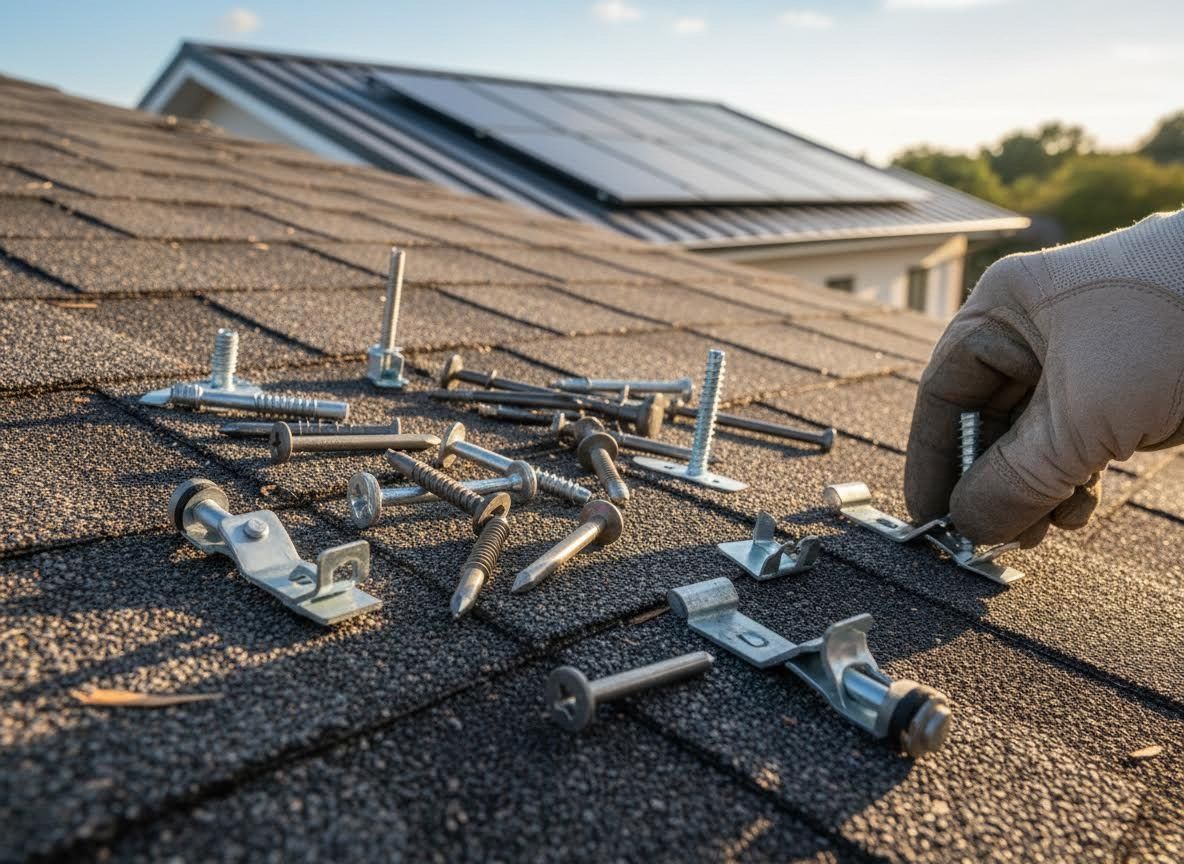
Before any other layers are applied, the roof decking (also known as sheathing) provides the structural base for your entire roof system. Typically made from plywood or oriented strand board (OSB), the decking is fastened directly to your home’s trusses or rafters. The integrity of this decking, along with the type and quantity of fasteners used to secure it, is fundamental. Damaged or deteriorated decking can compromise the stability of the entire roof, making it unsafe and inefficient. While usually hidden under layers of underlayment and shingles, the condition of your decking is crucial for the performance and durability of your roof, especially in the face of severe weather events requiring storm damage restoration.
Understanding these unseen elements of your roof system is key to appreciating the complexity and importance of a truly sound roof. Regular roof inspections by experienced professionals, like those at Chase Roof Inspections, are essential to ensure these hidden components are performing correctly and to address any potential issues before they escalate.