The longevity and performance of your roof rely on numerous factors, many of which are hidden beneath the surface. Among the most critical yet often overlooked aspects is the precise placement and depth of shingle nails. At Chase Roof Inspections, we understand that a strong, secure roof begins with meticulous attention to these seemingly small details, which collectively determine your roof’s ability to withstand the elements.
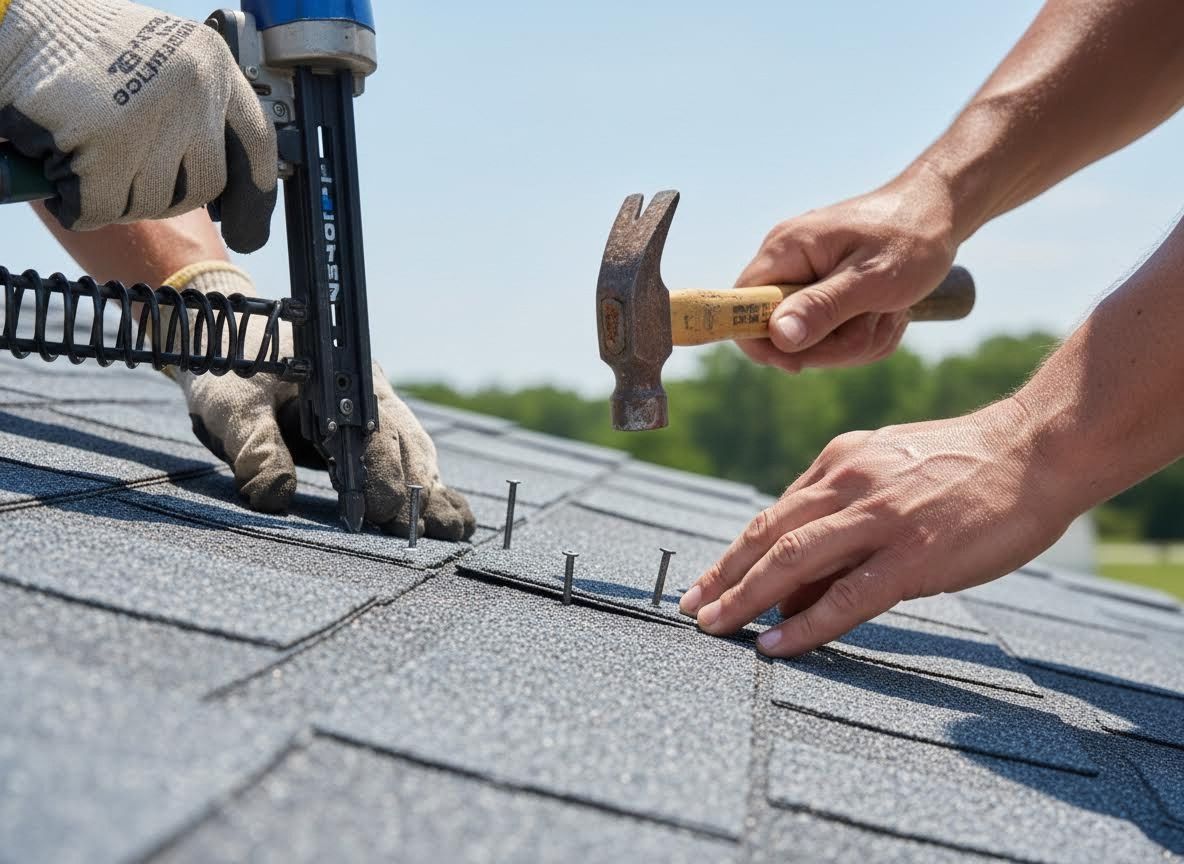
The Unseen Foundation of Your Roof’s Integrity
While shingles are the visible shield protecting your home, their security is entirely dependent on how they are fastened. Shingle nails are the anchors that hold everything in place, preventing wind uplift and ensuring your roof system performs as intended. Improper nailing — whether due to incorrect placement or depth — can compromise the entire roofing system, leading to premature deterioration and costly issues down the line. It’s a foundational element that professional roofing contractor teams prioritize to ensure long-term durability.

Precision in Placement: The Nailing Strip is Key
Every shingle manufacturer specifies a designated nailing strip, typically a narrow band where nails should be driven. Placing nails too high (above the nailing strip) can lead to “nail popping,” where the nail head pulls through the shingle, making it vulnerable to wind and water infiltration. Conversely, placing nails too low can result in the nail penetrating only the shingle below, reducing its holding power and potentially exposing the nail head, which can lead to leaks and shingle damage. Correct placement within this strip ensures maximum holding power and allows for proper shingle expansion and contraction, which is crucial for preventing a premature roof replacement.
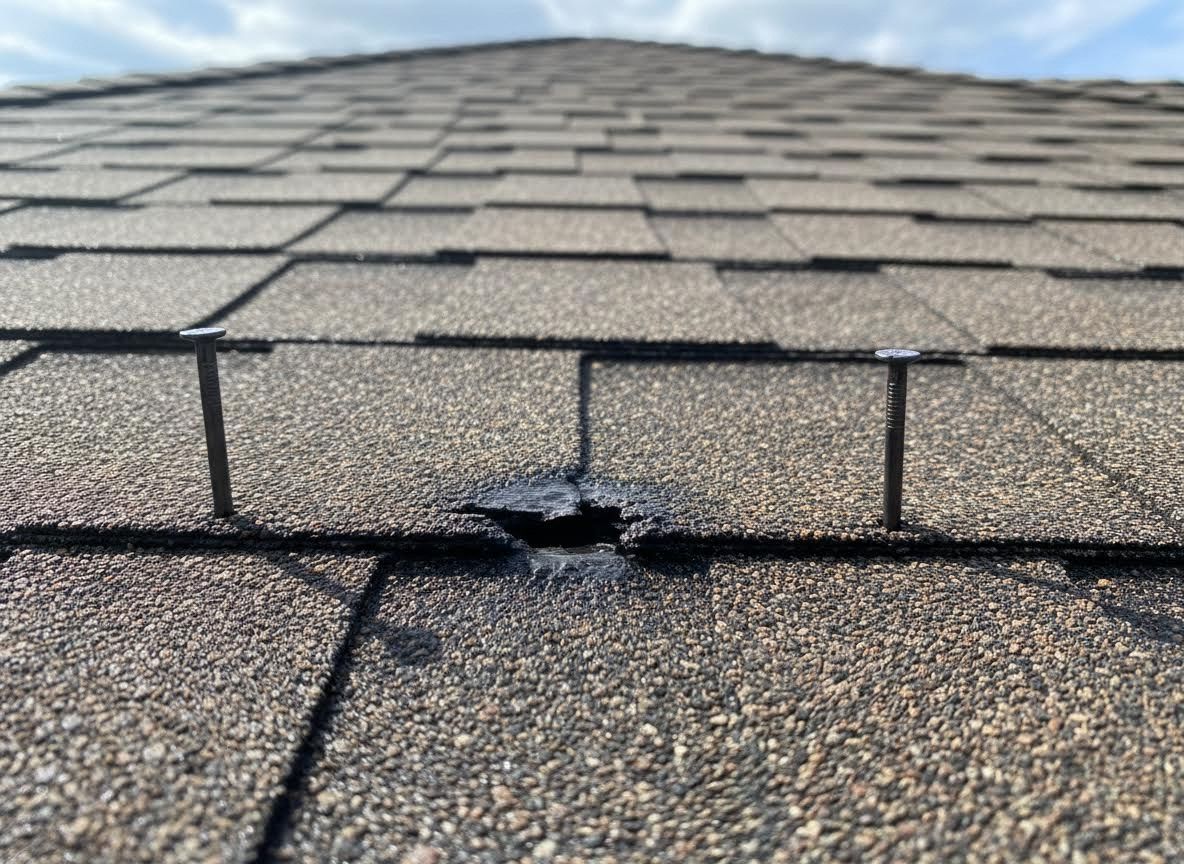
The Crucial Role of Nail Depth: Not Too Deep, Not Too Shallow
Beyond placement, the depth at which a nail is driven is equally vital. An over-driven nail, where the nail head cuts through the shingle, severely weakens the shingle’s integrity. This reduces its ability to resist wind uplift and creates a direct pathway for water to penetrate, making your roof highly susceptible to storm damage restoration needs. On the other hand, an under-driven nail that protrudes or is not flush with the shingle surface can prevent the overlying shingle from lying flat, leading to an uneven appearance and creating leverage points for wind to catch and lift shingles. Both scenarios compromise the roof’s protective capabilities and highlight the necessity of expert roof repairs.
Understanding the critical importance of shingle nail placement and depth is essential for any homeowner contemplating roof repairs or a full roof replacement. Learn more about how Chase Roof Inspections is ready to provide thorough roof inspections to assess the health and security of your roof.