Straight-line winds, which are common in the Mid-South region, can pose a significant threat to the integrity of your home’s roof. While often overshadowed by the more dramatic tornado, these powerful winds are responsible for a substantial amount of property damage annually, leaving homeowners in Tennessee, Mississippi, and Arkansas vulnerable. Understanding how these winds impact your roofing system is the first step in protecting your investment, and at Chase Roof Inspections, we believe informed homeowners are better prepared.
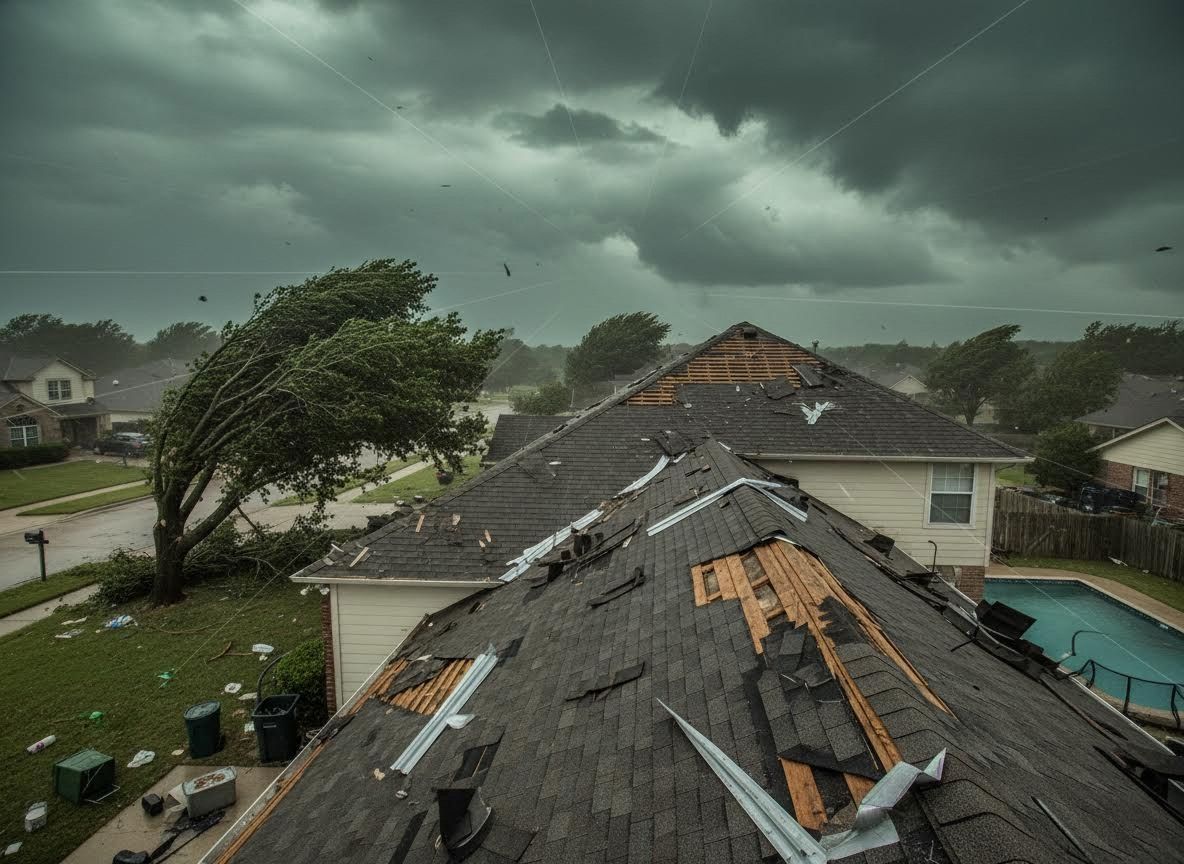
Understanding Straight-Line Winds and Their Impact
Unlike the rotational forces of a tornado, straight-line winds move in a single direction, typically diverging outward from a central point, often associated with severe thunderstorms or downbursts. These winds can reach speeds well over 100 miles per hour, mimicking the force of a weak tornado across a wider area. When these powerful gusts strike your roof, they exert immense pressure, both directly and through uplift, challenging the structural integrity of your roofing materials. The sudden impact and sustained force can loosen, lift, and even tear off shingles, flashing, and other crucial components designed to protect your home.
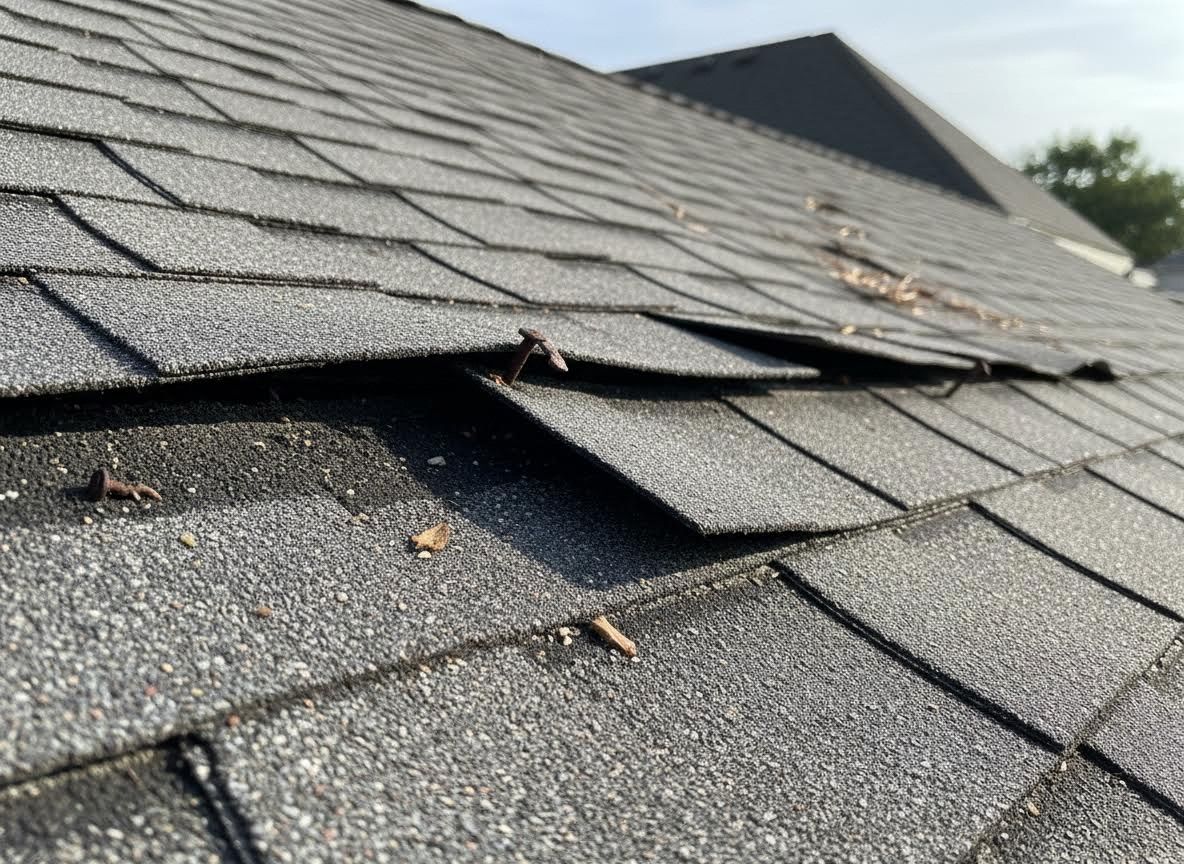
The Mechanics of Wind Damage to Your Roof
The damage caused by straight-line winds often occurs in a few key ways. First, direct wind force can physically push against the roof surface, dislodging shingles or causing impact damage from airborne debris. Second, and perhaps more insidious, is the uplift force. As wind flows over your roof, it creates an area of lower pressure above, while higher pressure remains underneath, essentially trying to pull the roof upwards. This suction effect can lift and peel back shingles, particularly along the edges and ridges of the roof. Once even a small section is compromised, the entire roofing system becomes more susceptible to further damage and potential water intrusion.
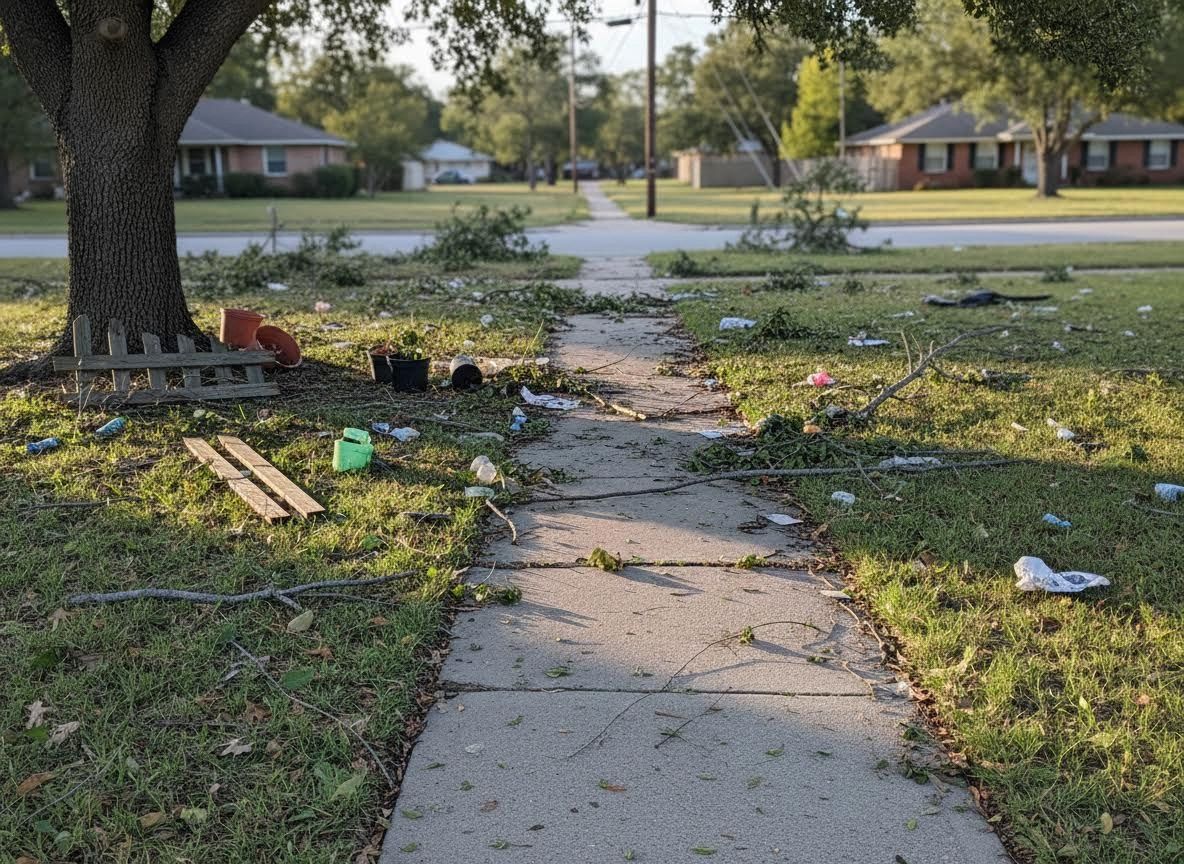
Identifying Common Signs of Wind Damage
After a severe wind event, it’s crucial to inspect your roof for signs of damage, even if they aren’t immediately obvious from the ground. Common indicators of straight-line wind damage include missing shingles, creased or bent shingles that may still be attached, or tabs that have been lifted and sealed back down but are now weakened. You might also notice granules missing from shingles, leading to dark spots on your roof, or damage to your fascia, soffit, and gutters. These issues, if left unaddressed, can escalate quickly, turning minor roof repairs into the need for a complete roof replacement due to water infiltration and subsequent structural problems.
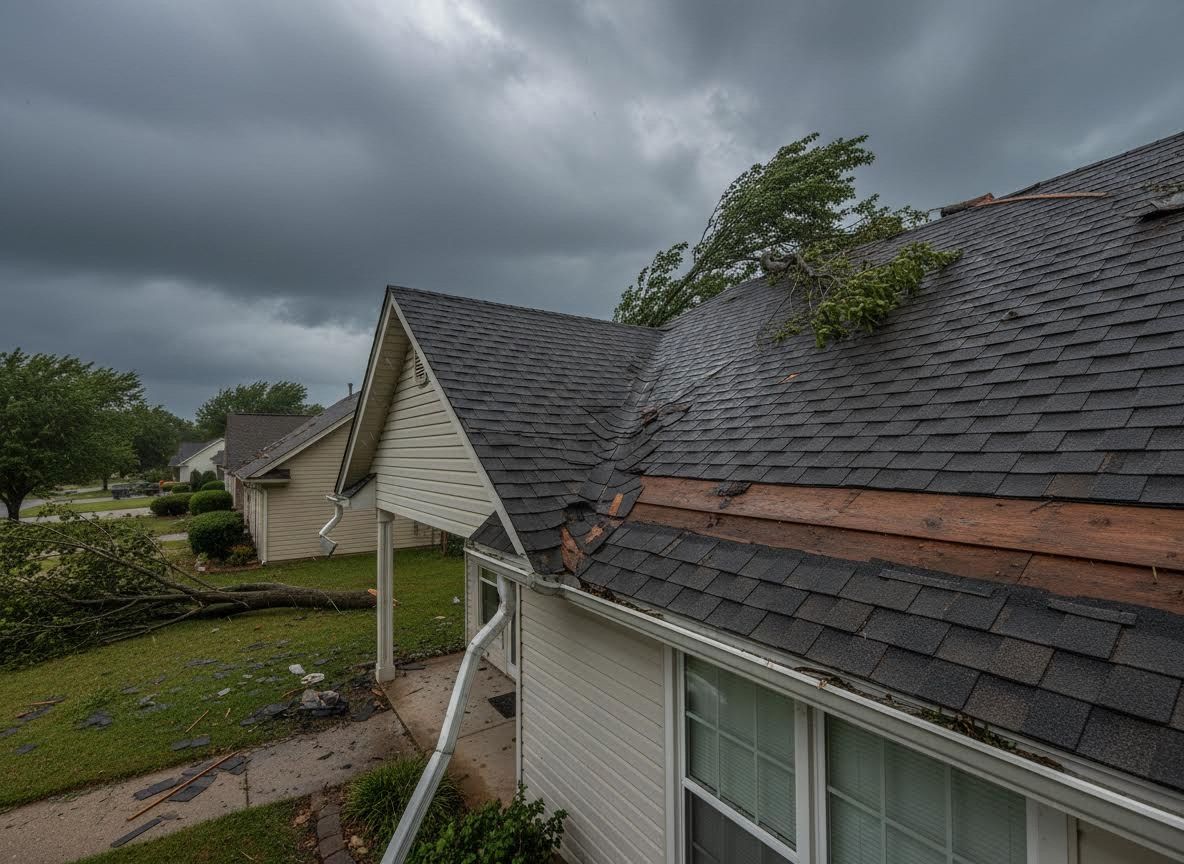
Protecting Your Investment with Timely Action
The aftermath of straight-line winds often necessitates prompt and thorough attention to your roofing system. Delaying an assessment can lead to exacerbated problems, including water leaks that damage insulation, ceilings, and interior walls, turning a manageable situation into a costly disaster. Engaging a reputable roofing contractor for storm damage restoration ensures that any hidden or apparent damage is identified and addressed efficiently. Timely roof repairs not only safeguard your home but can also extend the lifespan of your roof, providing peace of mind through unpredictable weather conditions.
Protecting your home from the unpredictable forces of straight-line winds begins with vigilance and professional expertise. Learn more about how Chase Roof Inspections can help protect your home by exploring our comprehensive roofing solutions!