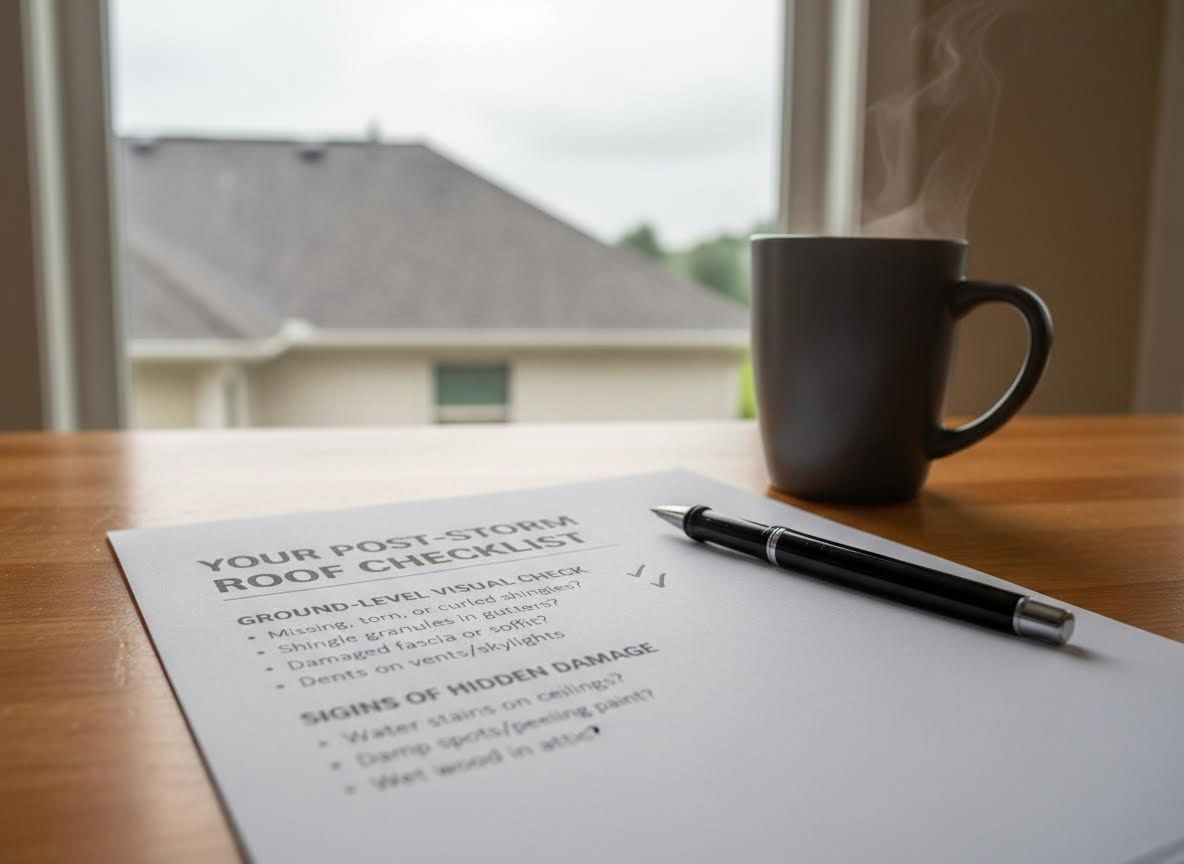
Severe weather can be a homeowner’s worst nightmare, often leaving behind a trail of unseen damage, especially to one of your home’s most critical defenses: the roof. After a storm, understanding what to look for is crucial to protect your investment and prevent minor issues from becoming major problems. This post-storm roof checklist from Chase Roof Inspections will guide you through the essential steps to assess potential damage and determine when to call in the professionals. Taking prompt action can save you significant time and money in the long run, ensuring your home remains safe and secure!
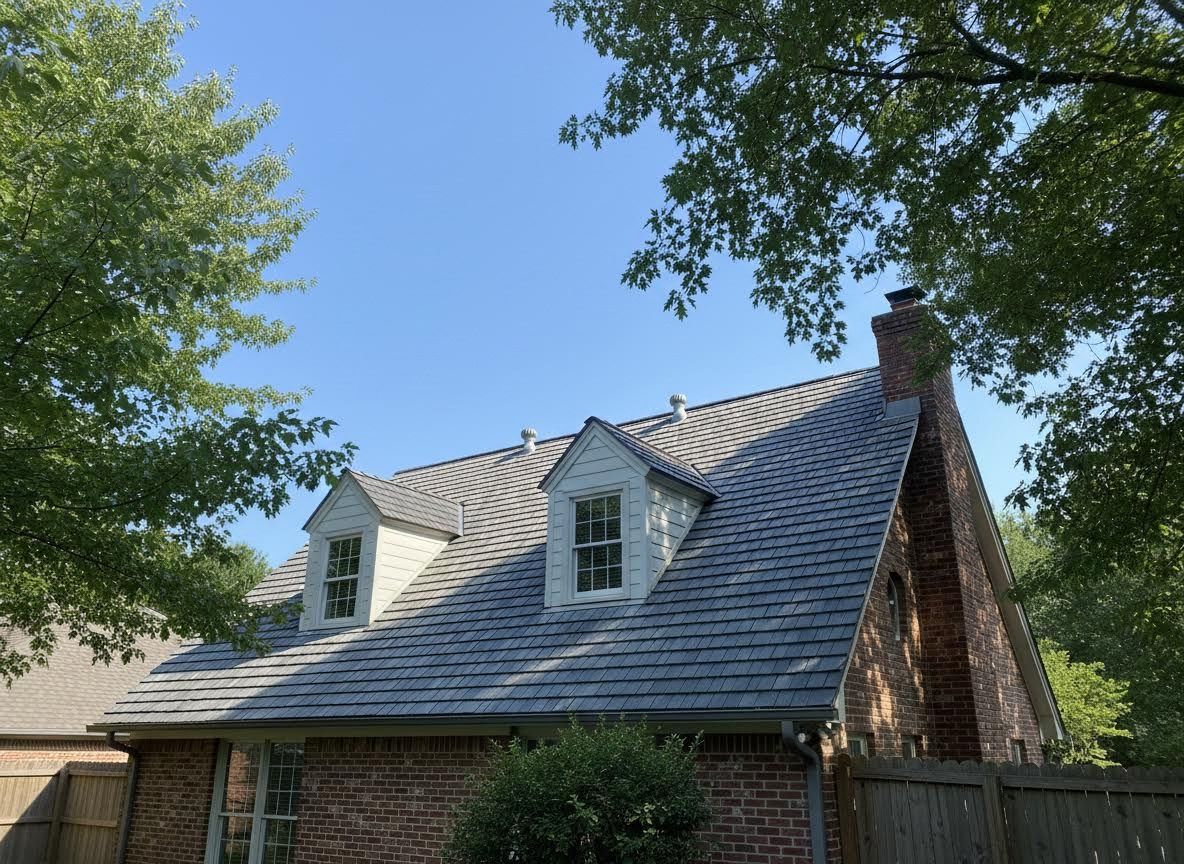
The Ground-Level Visual Check
The first step in assessing storm damage is a safe, ground-level visual inspection. From a distance, look for any obvious signs of distress,such as missing, torn, or curled shingles. Pay attention to your gutters; if you see shingle granules, it indicates that the protective layer of your shingles has been eroded, a common sign of hail damage. Examine the fascia and soffit for any breaks or dislodged pieces. Look for dents on vents, skylights, or other roof penetrations, as these can point to the presence of hail. While this initial check won’t reveal everything, it provides a vital first indicator of whether professional attention might be needed for more thorough roof inspections.
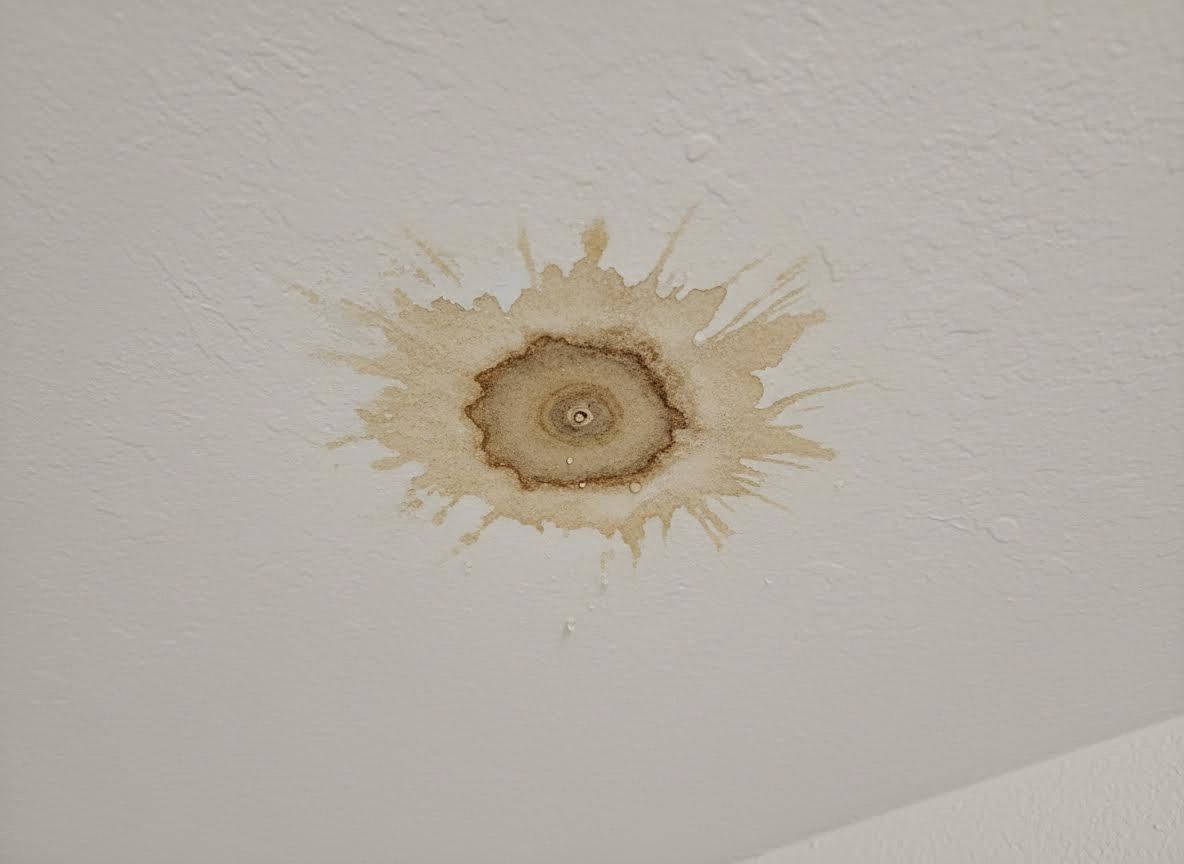
Signs of Hidden Damage and Water Intrusion
Some of the most insidious storm damage isn’t immediately visible from the outside. After a storm, it’s equally important to check the interior of your home, particularly the attic and ceilings. Look for water stains, damp spots, or peeling paint on ceilings and walls, as these are clear indicators of a leak. Even a small leak can lead to significant structural damage, mold growth, and compromised insulation over time. If you have attic access, inspect the underside of your roof deck for any signs of water penetration, such as wet wood or staining. These internal clues often necessitate professional roof repairs, as they suggest the protective barrier of your roof has been compromised, requiring expert storm damage restoration.
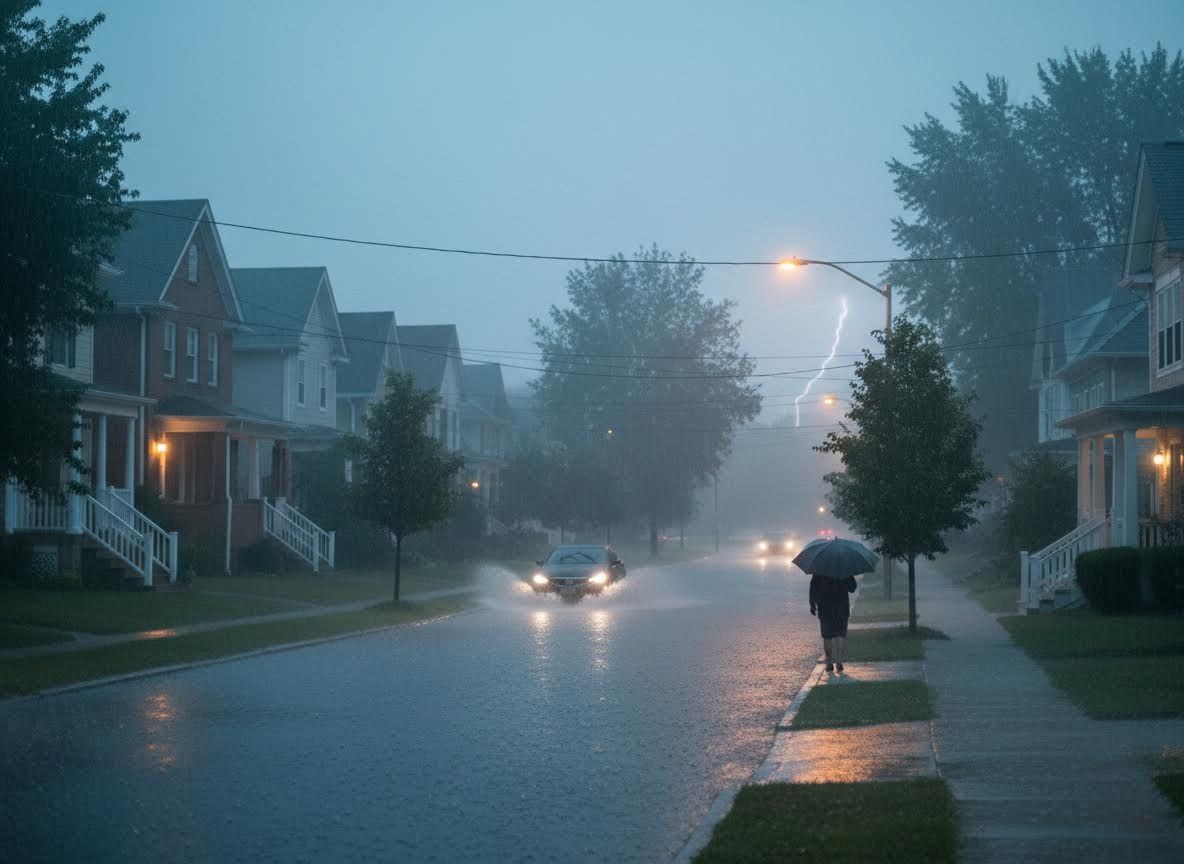
Understanding Different Types of Storm Damage
Storms can manifest in various forms, each presenting unique challenges to your roof. High winds can lift and tear shingles, leaving them vulnerable to further damage or complete detachment. Hail, on the other hand, can create impact marks or “bruises” on shingles that might not break through immediately but weaken the material, leading to premature aging and granule loss. This type of damage is often subtle and can be missed by an untrained eye. If you suspect wind or hail damage, it’s wise to consult with an experienced roofing contractor. They can accurately identify the extent and type of damage, guiding you on whether you need minor roof repairs or a full roof replacement to restore your roof’s integrity.
Preparing for Professional Assessment
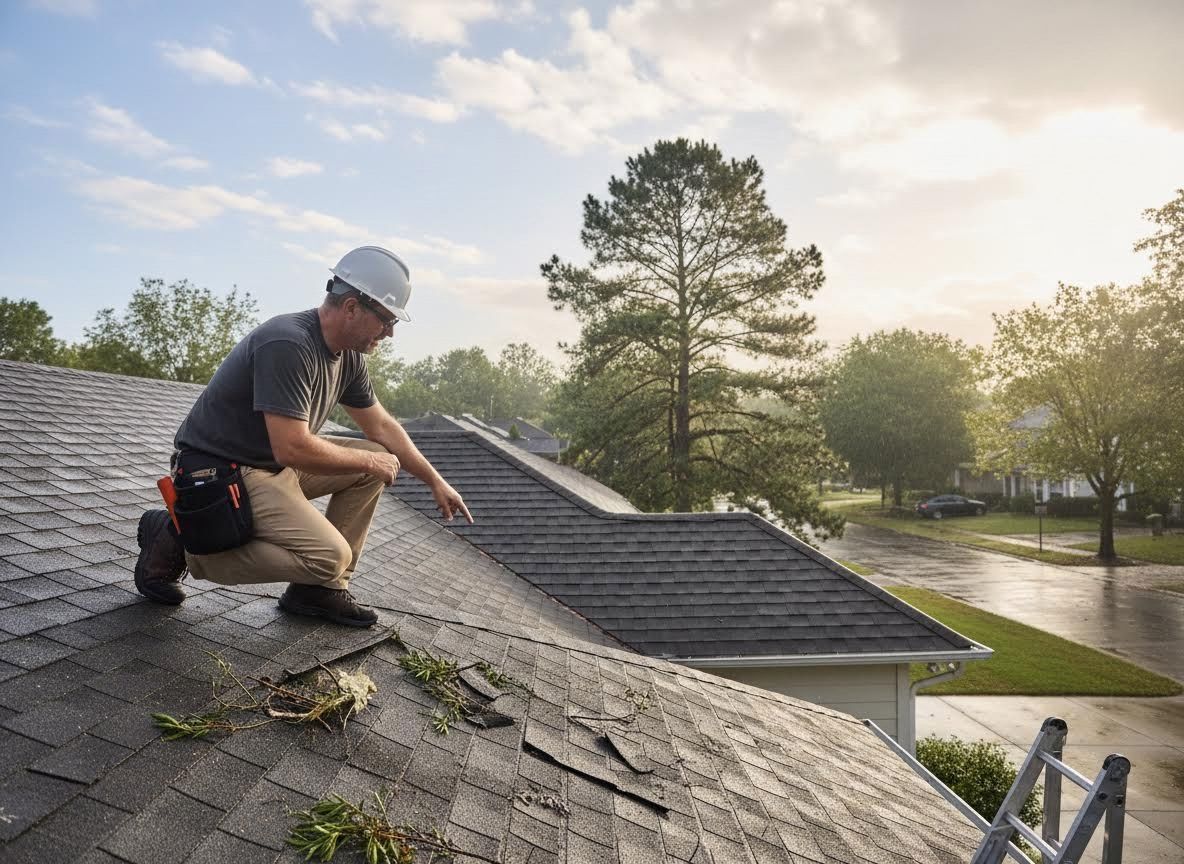
A thorough post-storm assessment is critical to ensuring your home’s long-term safety and value. While a DIY ground-level check can give you an idea of obvious damage, the complex nature of roofing materials and potential hidden issues means that a professional inspection is almost always warranted after a significant weather event. A qualified roofing contractor has the expertise and equipment to safely and effectively evaluate all aspects of your roof, including hard-to-see areas and subtle forms of damage. This comprehensive assessment is the best way to determine the necessary next steps.
Following a storm, a careful assessment of your roof is paramount to protecting your home. When you need reliable expertise and thorough roof inspections in the Mid-South region, Chase Roof Inspections is ready to help homeowners ensure their roof is in optimal condition.